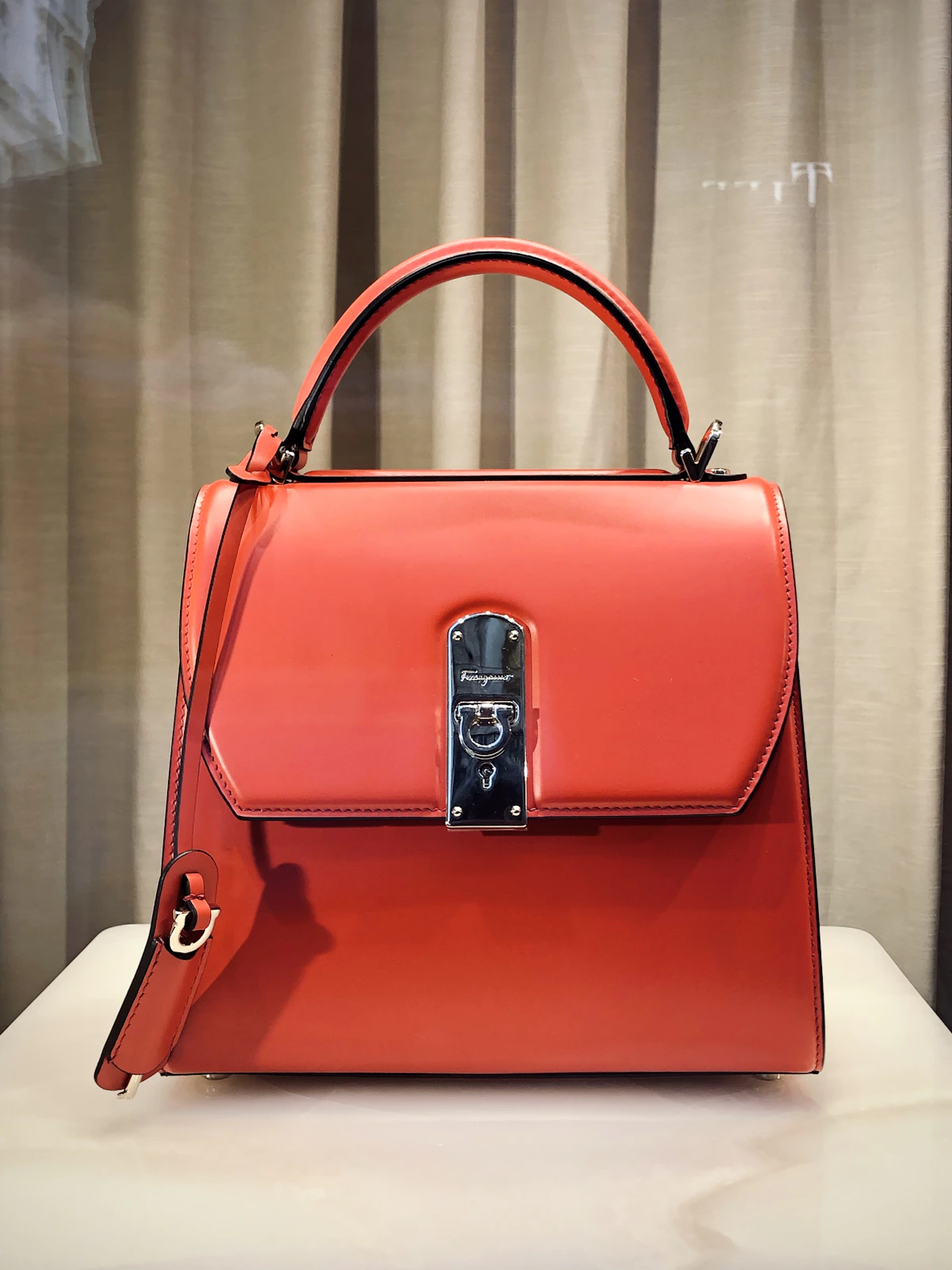
Owning a genuine leather handbag is an investment in timeless elegance. However, living in Ghana presents unique environmental challenges—namely sudden tropical downpours and high atmospheric humidity during rainy seasons in coastal and forest belts like Accra, Takoradi, and Kumasi.
1. The Secret Weapon: Silica Gel Packets
Never discard the small white silica gel sachets that come inside new bags or shoe boxes! In Ghana's climate, moisture trapped inside an enclosed wardrobe or shelf is the primary cause of white mould spots on leather. Place 2 to 3 silica packets inside your handbag when storing it to absorb ambient moisture naturally.
"Leather is skin—it breathes, absorbs moisture, and can dry out if improperly treated. Prevention is always ten times easier than restoring water-damaged leather."
2. What to Do Immediately When Caught in the Rain
If your bag gets soaked during a storm, never use a hairdryer or place it near a hot iron or stove. Artificial heat causes the natural oils in genuine leather to evaporate instantly, resulting in stiff, brittle, and cracked surfaces.
- Step 1: Blot the exterior gently using a dry microfibre towel or clean cotton cloth. Do not rub vigorously.
- Step 2: Stuff the interior with plain white butcher paper or dry hand towels to preserve the bag's structured shape. Avoid newspapers, as newsprint ink can transfer onto light linings.
- Step 3: Allow the bag to air-dry in a cool, well-ventilated room with an open window or fan.
3. Condition Every 6 to 8 Weeks
Sunlight and tropical heat can strip moisture from leather fibers. Applying a tiny dab of neutral leather balm or beeswax cream every couple of months restores deep color vibrancy and creates a water-repellent barrier across the grain.